

Read the label without reducing the person
Busty and curvy are appearance descriptions that some adults choose for themselves. In this collection, they are treated as optional browsing language within a non-sexual social-companionship website. They do not describe a personality, a level of confidence or a willingness to take part in any activity. Someone's body shape cannot tell you whether they enjoy a restaurant conversation, a concert or a public reception. Those interests need their own description.
If you arrived through a search for female escorts in Mumbai, it is particularly useful to read the scope of the page before interpreting the category. Eternity Pleasure presents fictional adult profile examples and general social-planning information. It does not show real availability or arrange intimate services. The nine original illustrations here focus on space, comfort and personal choice; they are neither photographs of people nor evidence of an actual meeting.
An appearance preference should be one small part of how a visitor understands a directory. The more meaningful questions concern the occasion, shared interests, communication and whether the proposed setting is comfortable. This guide explores how to keep those questions central. It gives the category a clear, respectful purpose without suggesting that a person can be understood through a single physical description or a collection of assumptions.
Consider space and seating without assumptions
Comfortable seating is a practical concern for many people, but no single chair suits everyone. Instead of making a judgement from a photograph or body label, ask whether the proposed venue and seating arrangement meet the person's preferences. A table, a high stool and a long period of standing offer different experiences. The right question concerns the actual activity and what would make it comfortable for the adults attending.
If a venue requirement needs checking, describe it clearly to staff. You might ask about the type of seating, the distance between tables or whether a particular area can be reserved. Do not promise that a venue can meet a request before it has answered. Keep the conversation respectful and focused on the arrangement, without sharing personal information that the venue does not need in order to explain its facilities.
Remember that changing the setting can be a straightforward planning choice. A different table or another public venue may suit the occasion better. There is no need to turn that adjustment into a discussion about someone's body. The aim is to make participation comfortable, and the same practical attention should be available to everyone. A considerate plan treats requirements as information to work with rather than as inconveniences to be explained away.
Leave clothing choices with the person wearing them
An event's published dress guidance can help someone prepare, but it does not give another guest authority over their clothing. Share the relevant context: whether the outing involves sitting, walking, an outdoor pause or a formal reception. Let the person make their own choices within the venue's actual requirements. An appearance category does not imply a preference for a particular style, amount of coverage or way of presenting oneself.
Avoid proposing an outfit as if it were part of the arrangement. Someone may enjoy fashion while preferring practical clothing for a particular outing. They may also be comfortable declining a suggestion without explaining why. The useful discussion concerns what the occasion requires and what each participant wants. Personal presentation should remain a form of choice, rather than a condition imposed to satisfy an image in another person's mind.
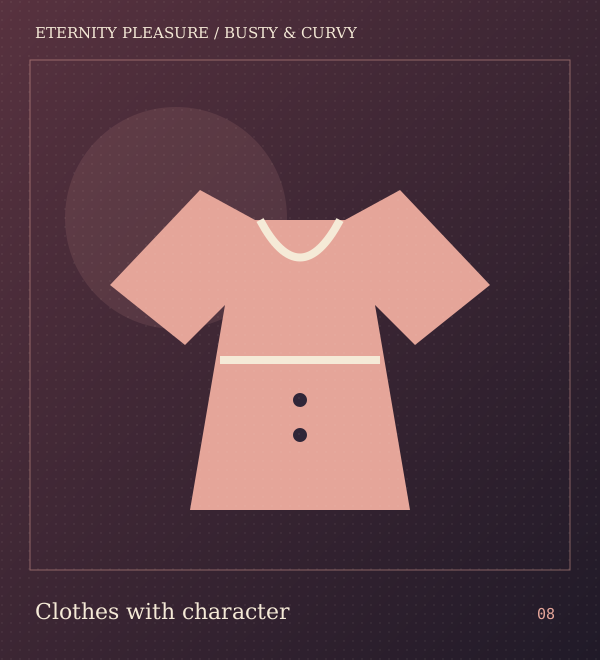
The fashion illustration in this gallery represents that principle through an imagined garment. It is a visual prompt about clothing as personal expression, not a prescription for a body type. The other images use open doorways, different shapes and comfortable spaces to explore the wider theme. Read the captions as part of the collection's editorial meaning; none of these images is a catalogue of clothing or a promise about an actual venue.
Make photography a separate choice
Agreeing to attend a social occasion does not automatically include agreeing to be photographed. Ask before taking a picture, and be specific about what you intend to do with it. Keeping a private memory and posting an image to a public account are different choices. A person can be comfortable with one and decline the other. Accept the answer without trying to persuade them that a photograph would be flattering or harmless.
Do not edit someone's image to change their body or presentation without their agreement. Even a change described as an improvement can misrepresent how the person wishes to appear. If a photograph is being considered for a real profile, its owner should understand the context in which it will be published. Accuracy and consent matter more than making the image fit a category's visual expectations.
This gallery avoids that problem by using original scene illustrations without identifiable people. Its visual subjects are objects and spaces, and its captions describe what is actually shown. The fictional portraits elsewhere on the site are also disclosed as illustrations. Do not replace them with photographs copied from social media or another directory. A real person's public image should not be used to imply an association they have never agreed to.
Distinguish personal preferences from access needs
Someone may prefer a quieter table, a shorter walk or an earlier meeting for many reasons. They do not need to explain a private history in order to express that preference. Ask what the plan should accommodate and focus on the answer. Avoid guessing a medical condition or a limitation from appearance. The information needed to choose a suitable public setting is often much simpler than the explanation a curious visitor might seek.
When a practical access requirement is shared, confirm the relevant venue information directly. An attractive photograph does not show every entrance, lift, step or seating arrangement. The venue is better placed to describe its own facilities. Do not make a broad claim that somewhere is accessible to everyone; different people need different information. A specific answer about the feature that matters is more useful than a reassuring but vague label.
Keep personal details out of group messages unless the person has agreed to share them. You can often ask a venue about a facility without naming who will use it. The same principle applies to a local enquiry draft: record the practical request, not an unnecessary account of someone's circumstances. Respectful planning makes room for participation while allowing each adult to decide how much personal information they wish to disclose.
Respond to a change without making it personal
An outing may need to change because a venue is unsuitable, a schedule shifts or someone decides the activity is not right for them. Treat the change as a planning matter. Ask whether an alternative would preserve the original purpose, and leave room for the answer to be no. There is no need to connect a practical adjustment to an appearance category or to question the person's willingness to participate more generally.
If a different setting is suggested, consider it on its own merits. A seated conversation may serve the occasion better than a long walk, while a quieter hour may be easier than a busy evening. Neither change needs to diminish the experience. The point is to agree on something both adults understand. A proposal that remains flexible in the right places can be more inviting than one that appears elaborate but leaves little room for choice.
Ending the plan is also an available outcome. A person can decide that an outing does not suit them without owing a detailed personal explanation. The website's fictional categories create no obligation, and its local draft does not reserve anyone's time. Keeping that distinction clear helps visitors approach browsing as information gathering, rather than as a sequence that must lead to a meeting regardless of the preferences involved.
Write a brief that sees the whole occasion
Before saving an enquiry draft, check whether it would still make sense if the appearance label were removed. The purpose, public setting, approximate duration and shared interests should remain clear. If the message depends entirely on a physical description, it probably needs more thought about the activity itself. A useful social brief gives the recipient something concrete to consider and a straightforward way to ask a practical question.
You might write about a restaurant conversation in a familiar neighbourhood, explain a seating preference and leave the date open for discussion. That is enough to establish the shape of an idea without making a claim about who will attend. The Services page can help you understand the directory, while the Safety & Consent and Community Guidelines pages explain the site's broader expectations. Read them as part of the same commitment to clear, voluntary social participation.
The Contact tool prepares a text file locally and does not send it to an operator. Review the wording before downloading it, especially any information about another person. Keep only what serves the proposed occasion. The strongest use of this collection is to move from a broad browsing preference towards a respectful, specific social plan, where someone's interests, choices and comfort have more space than the label that first brought you to the page.